

Cultural Immersion
In 1990, Jose traveled to the Himalayas to immerse himself in Indo-Tibetan culture, learning Tibetan and studying esoteric Buddhist teachings under several great masters, including his root guru Tulku Urgyen and His Holiness the Dalai Lama.

Initial Experiences
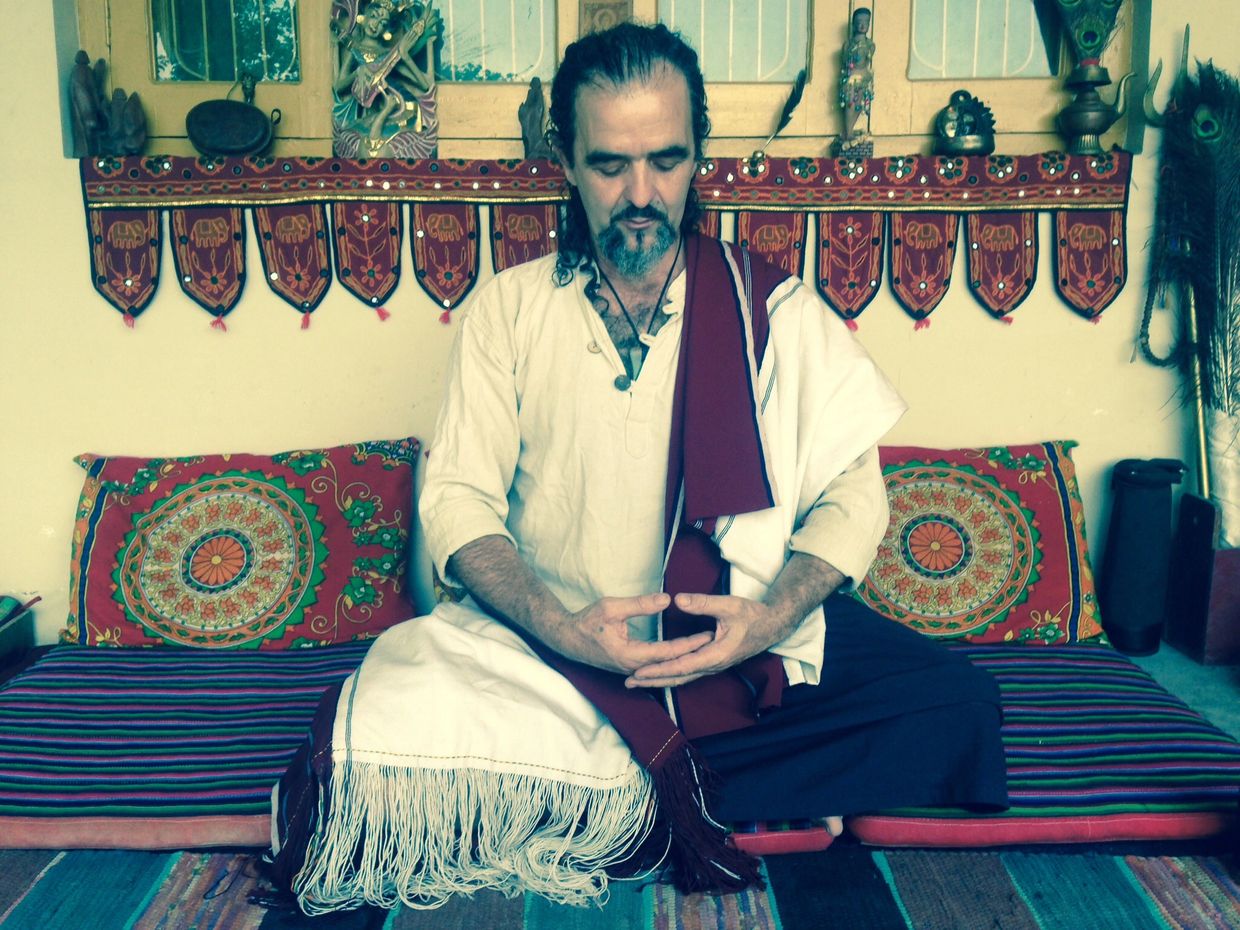
Inspired by his journey and Padmasambhava's teachings, Jose now dedicates himself to sharing what he's learned through workshops in "meditation in action" — integrating the five universal elements with sword practice to help students cultivate mindfulness and awaken the spiritual warrior within.
Ongoing Exploration
For last 35 years, Jose has traveled extensively across the Himalayan region — northern Pakistan, India, Ladakh, Tibet, Nepal, and Sikkim — identifying holy sites and uncovering the origins of esoteric teachings that continue to shape his research today.
Personal Transformation
During a five-year retreat based in Bir, Jose journeyed to Tso Pema, where he received his Dharma name, Urgyen, in a vision at the lake. This marked a profound personal transformation and a deep connection to Padmasambhava, the founder of Tibetan Buddhism. His subsequent exploration led him to discover Dhanakosa Lake — where, according to tradition, Padmasambhava emerged in a lotus of light — along with the surrounding mandala of statues and stupas, including the region's only Vajrayana stupa and a fifth-century Buddha statue pointing to Vajrayana's early origins. Throughout this period, he maintained his Aikido practice, pairing physical discipline with spiritual development.